
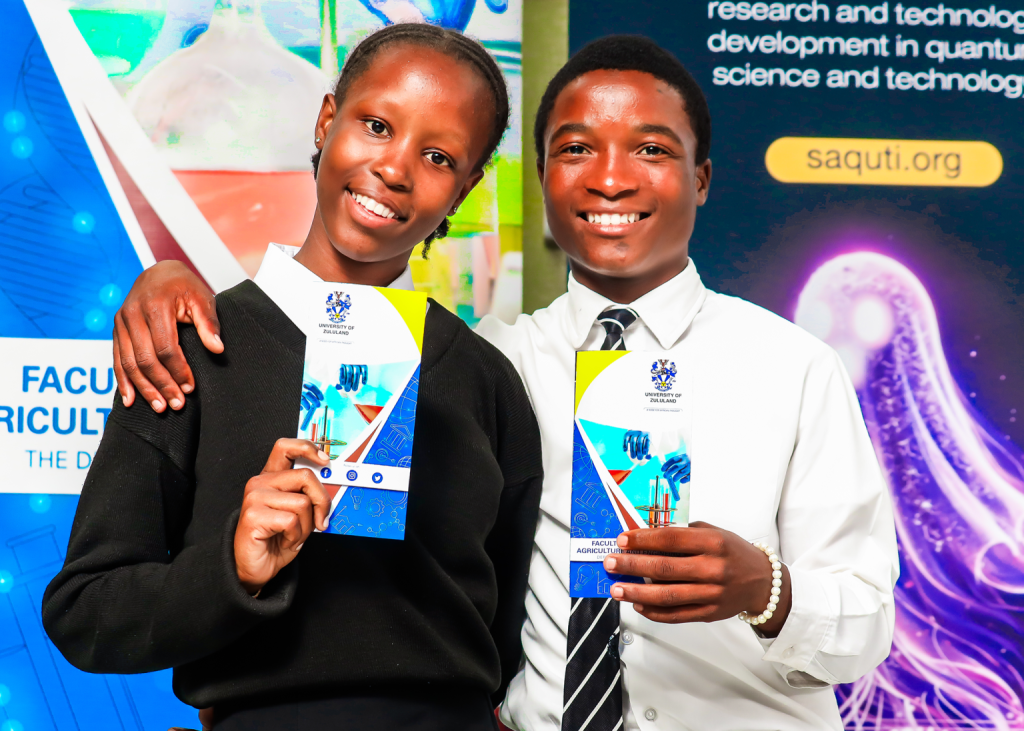
The University of Zululand’s (UNIZULU) Department of Chemistry, in collaboration with South African Quantum Technology Initiative (SA QuTI) recently hosted a community engagement project for Ongoye High School learners aimed at sparking interest in science, technology, engineering and mathematics (STEM) subjects and the exciting field of nanotechnology.
Through this initiative, the two partners also intended to help enhance academic performance in schools surrounding the institution, thus preparing learners for higher education.
The outreach programme formed part of the Department of Chemistry and SA QuTI’s ongoing efforts to strengthen STEM awareness and promote access to scientific knowledge among high school learners.
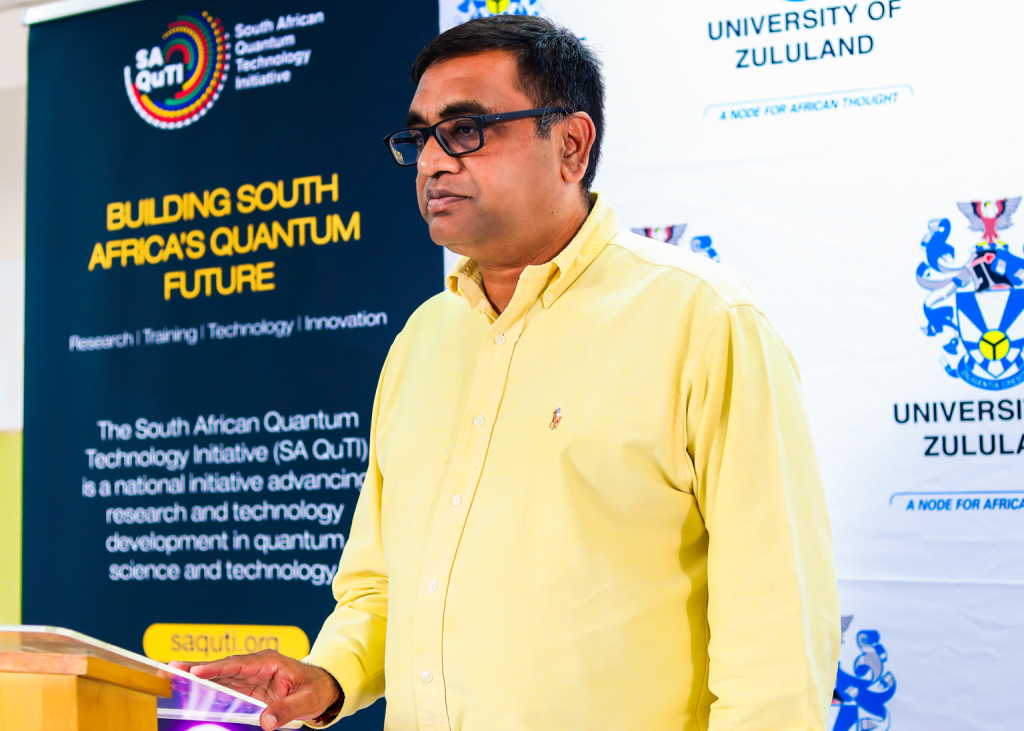
“The objective is to expose learners to the research facilities in the Department of Chemistry. We want to showcase the new JOEL F200 High Resolution Electron Microscope (HRTEM) as an important tool in Nanoscience and Quantum technology research,” explained Professor Neerish Revaprasadu, a senior professor in the Chemistry Department.
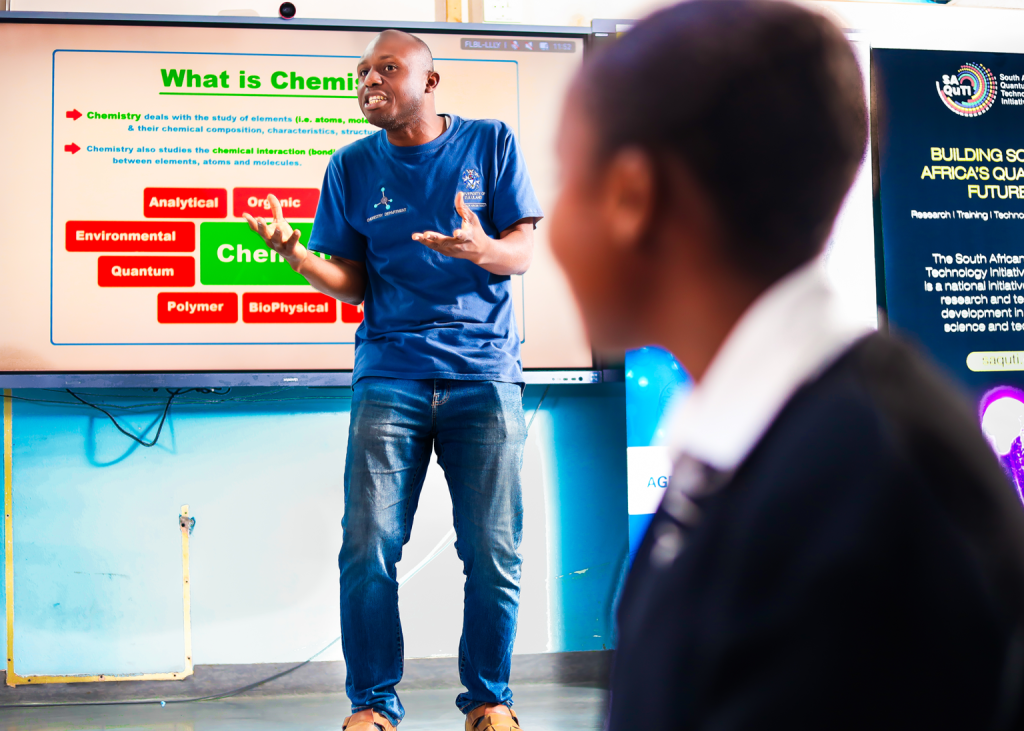
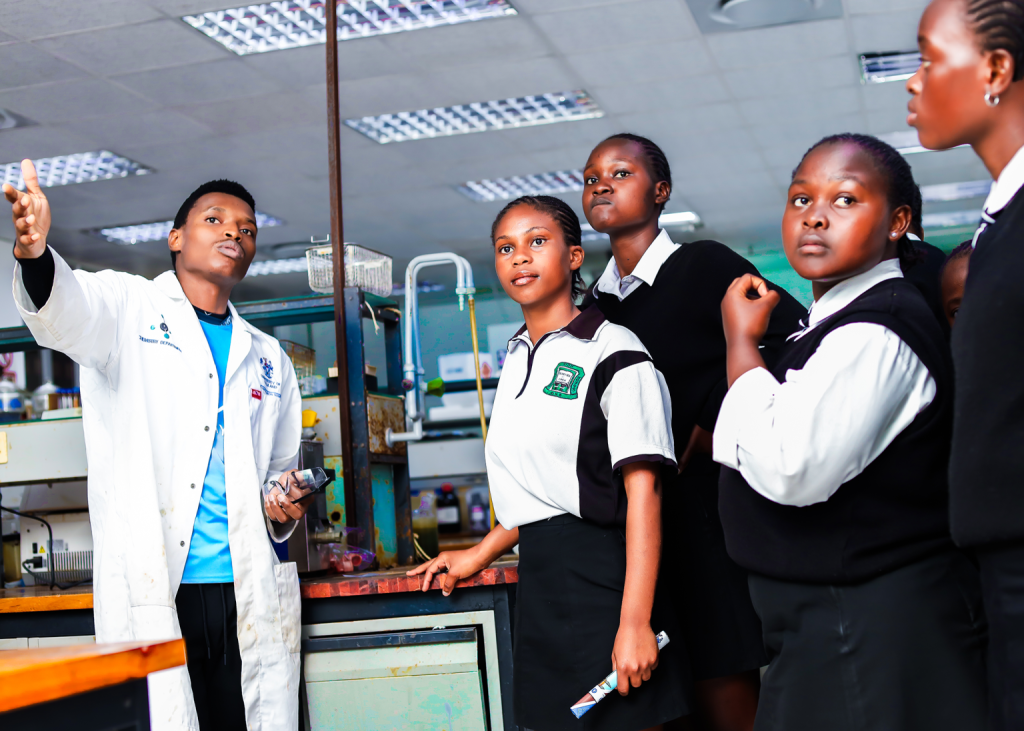
During the visit, learners were taken on an educational tour of UNIZULU’s cutting-edge laboratories, where they were introduced to advanced scientific instruments and real-world applications of nanotechnology. In the HRTEM Laboratory, learners explored various techniques used to view objects at magnifications far beyond what the naked eye can see. The demonstrations began with simple tools such as the magnifying glass and the state-of-the-art HRTEM equipment. Emphasis was placed on the instrument’s exceptional magnification capabilities and its integration with analytical technologies used in other research facilities within the Department of Chemistry.
The hands-on experience not only deepened the learners’ understanding of the concept and significance of nanotechnology in modern science but also provided them with valuable career guidance to help shape their academic and professional futures. Through these interactions, learners were encouraged to explore a wide range of opportunities within STEM and other emerging fields. Their active participation and enthusiasm reflected a genuine interest in pursuing future studies and careers in nanoscience and related disciplines.
“We would like to thank everyone for hosting us, thank the doctors for showing us around and we feel privileged to have been gifted with scientific calculators because we know how expensive they are. Thank you for volunteering your time,” said Nonsindiso Mathunjwa, one of the learners.
Through this initiative, the two partners also intended to help enhance academic performance in schools surrounding the institution, thus preparing learners for higher education.
The outreach programme formed part of the Department of Chemistry and SA QuTI’s ongoing efforts to strengthen STEM awareness and promote access to scientific knowledge among high school learners.
“The objective is to expose learners to the research facilities in the Department of Chemistry. We want to showcase the new JOEL F200 High Resolution Electron Microscope (HRTEM) as an important tool in Nanoscience and Quantum technology research,” explained Professor Neerish Revaprasadu, a senior professor in the Chemistry Department.

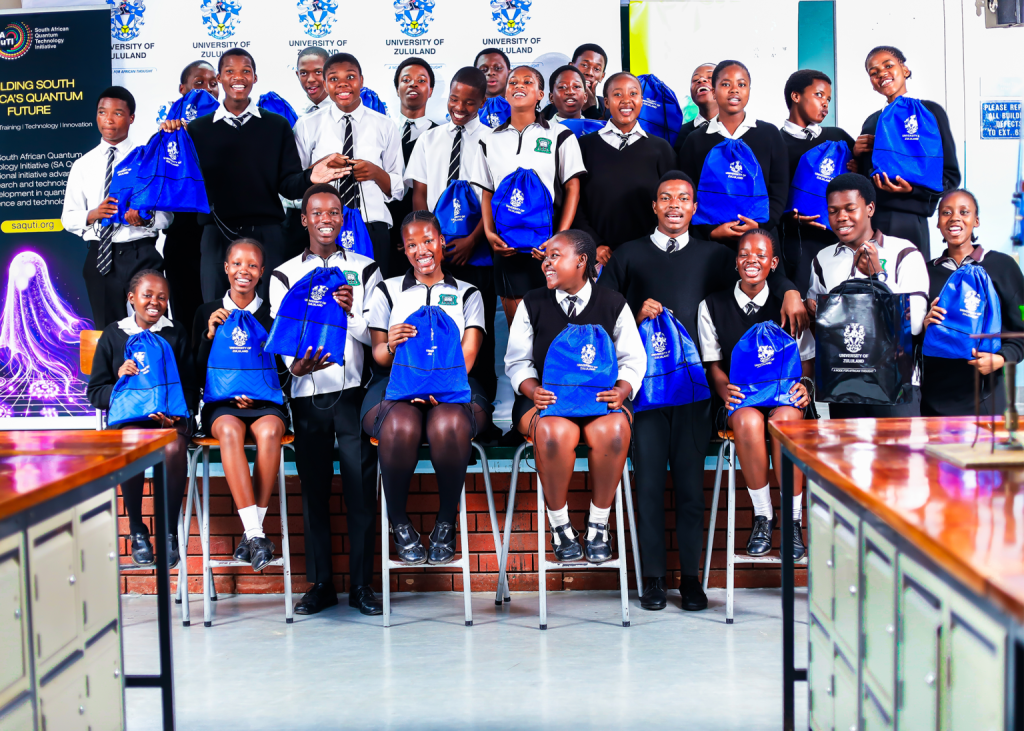
The University aims to continue implementing similar initiatives to support learner development, enhance scientific literacy and encourage interest in emerging scientific fields.
UNIZULU-SA QuTI Partnership
SA QuTI aims to foster a globally competitive research environment in quantum technology and to contribute to the growth of local quantum industry in South Africa. The initiative is funded by the Department of Science, Technology and Innovation (DSTI) and operates through five nodes nationwide. UNIZULU is one of these nodes, specialising in the synthesis of quantum materials for applications in quantum technologies. The node is led by Prof Revaprasadu with Dr Malik Khan, a UNIZULU alumnus, as the deputy node leader.
– Ntombezinhle Zwane